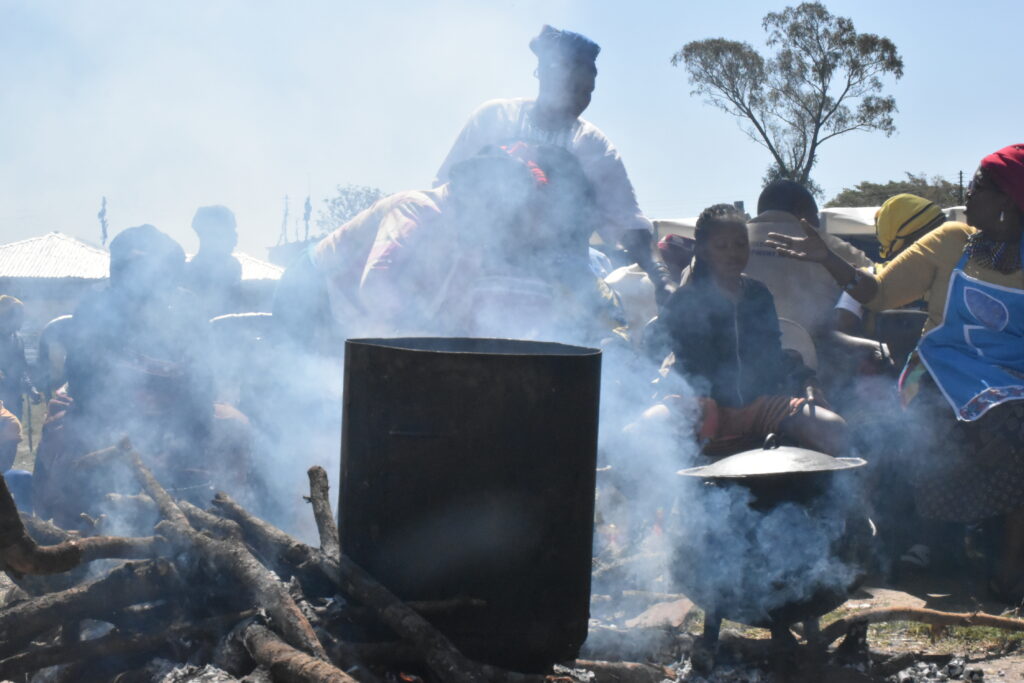
The installation of the chief of AmaNtinde, heir to Makhosonke son of chief Phakamisa, the event was marked by the Heritage day celebrations
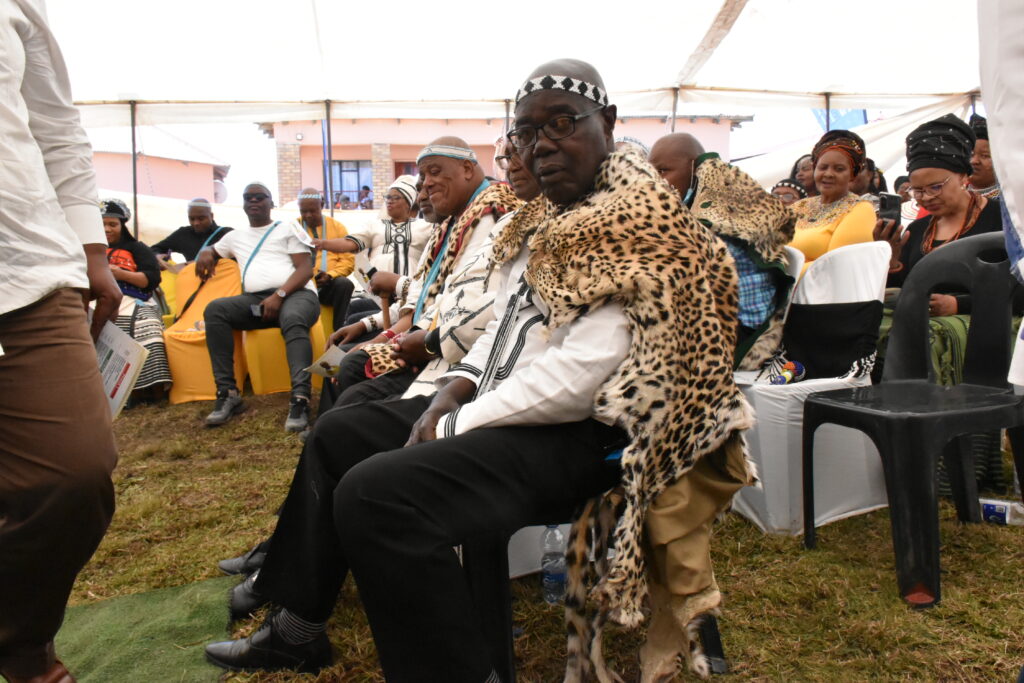
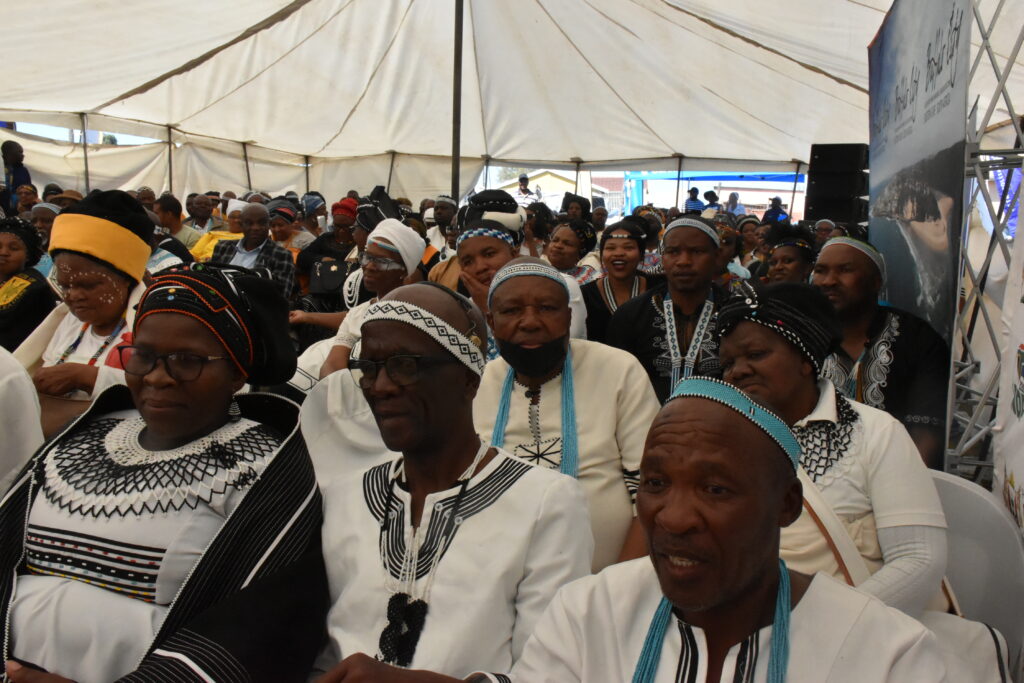
The installation of the chief of AmaNtinde, heir to Makhosonke son of chief Phakamisa, the event was marked by the Heritage day celebrations. The month of September is dubbed to be the month of heritage and last year’s heritage month was full of activities and the day of heritage passed with the locals and the entire Buffalo City Metropolitan Municipality were left speechless and unable to keep their mouths closed. We were there as the Ivanya Yethu Heritage Foundation on that Thursday, of the month of the coral (22th September 2022) as the Xhosa puts it to be witnesses. It was packed ‘mist and sun’ that day with dignitaries and delegations from all over the Eastern Cape, tribes and nations gathered from Xhosa’s of Rharhabe (even Xhosa’s of Gcaleka) to our own Ntinde villages combined making history and in celebration of heritage as the grandchild of Chief Phakamisa; Chief Lindile Tshatshu (Aah Zanendyebo!) at the AmaNtinde Great-place at Tshatshu village, Qonce.
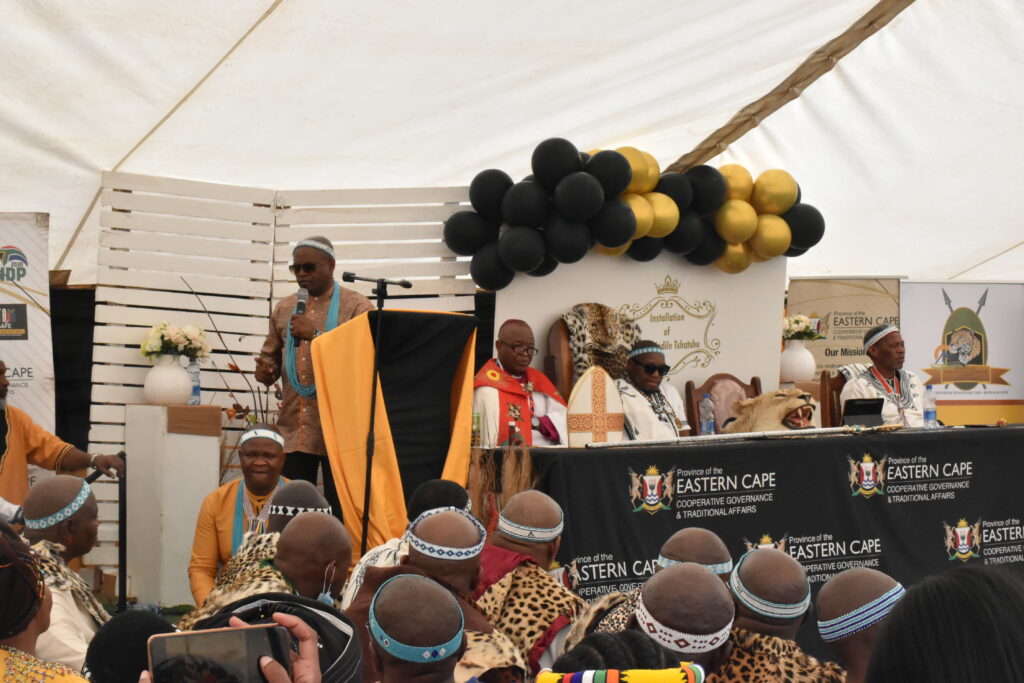
King Vululwandle of the Rharhabe (Xhosa) kingdom, Chiefs & Governmentt officials present at the Ceremony
Chief Zanendyebo’s ceremony comes after a long wait of over twenty three years since taking up on his seat in the year 1999, after the passing of the mother of the nation his grandmother Nosizwe Tshatshu, acting-chief, and wife of Chief Phakamisa who reigned after his passing until her own death. It is true when they say (in Xhosa) umntu uyakwazi ukulilandela igama lakhe which means to follow the meaning of your own name because Chief Zanendyebo’s birth name is Lindile (the one who waits or waited) which was given to him by his grandfather. That is why the ceremony was a great success in finally honoring the chief as it has been never witnessed before by most of the tribe, except for the generation of grandparents who attended the day shedding tears of joy remembering the days of Chief Phakamisa.
Family of the newly installed Chie (first row from left: Wife Nontsika Tshatshu, Chief Aah Zanendyebo. Second row from right: Mother of the Chief, Nothobile)
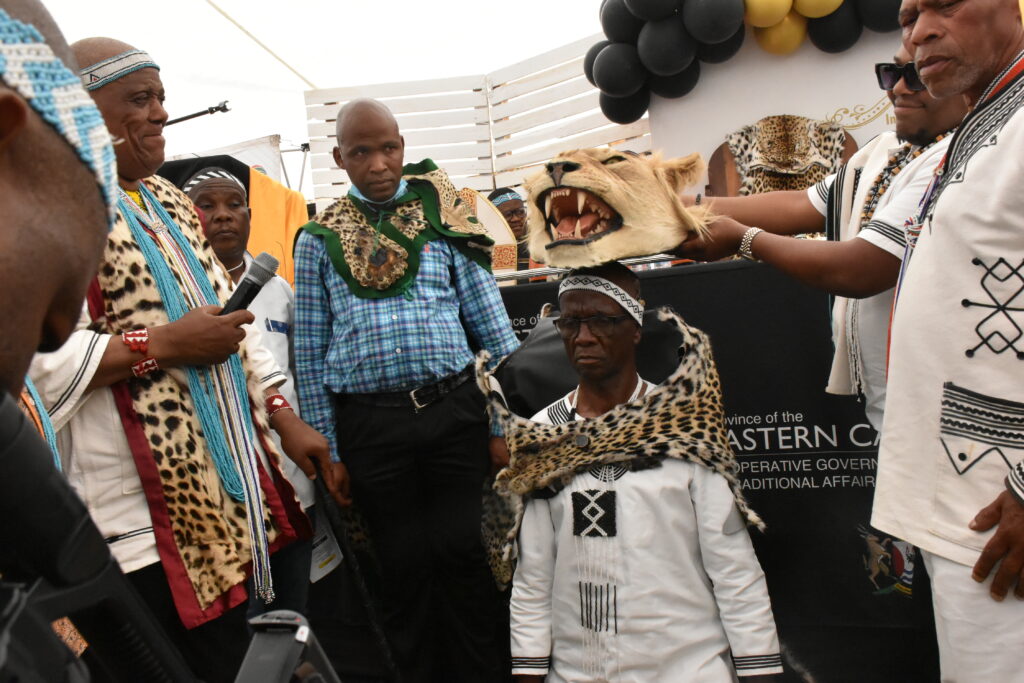
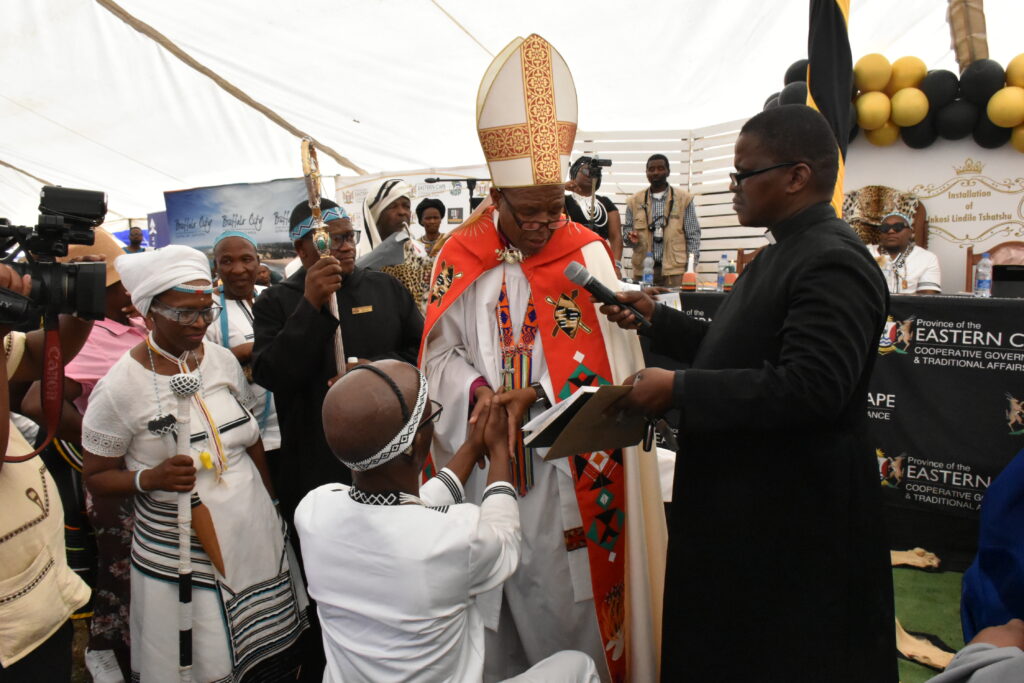
The highlight of that day was not just the heritage day celebrations or the installation of the chief only but also to bring back the dignity of the tribe and the traditional leadership system in collaboration with the government. High in command was the the current king of AmaRharhabe King Jonguxolo ‘Vululwandle’ Sandile (Aah Vululwandle) who along with all other traditional leaders who are guardians of heritage, culture and tradition and many other stakeholders (such as BCMM dept of Sports and Arts and Culture, COGTA) respectively made the event possible. And this gave birth to the idea to bring together the installation of the Chief and the Heritage day celebrations came out of this collaboration. The blessings that came with such event was not only measured by the number of people that came but also the synergy between people of different spheres of life hand in hand without any frictions, from the mothers who were cooks and the man in charge of slaughtering, even the church and African spirituality joined hands with Bishop Ngesi and Mhlekazi Langalethu (Professor N. Duku) who blessed the chief’s royal kaross. A rare site was the arrival of the house of Kush as the Rastas introduced themselves in high spirited songs which was well received by the masses and the great house.
The King holding a Lion’s Head with Chiefs of Mhala and Mincangathelo blessing Chief Zanendyebo
Bishop and Sangoma joining forces, blessing the Chief
Young people came in numbers having many contributions to the event as traditional bands, dancers, praise poets as a form of entertainment and even the legendary jazz music group from Qonce, The Slow Foot King Brothers, played old and new songs truly reminding us of our own heritage. Tents with a variety of products such as traditional clothing stalls, ginger, umqombithi, medicinal plants and muti as well as the popular soap master u-Gaba the Sangoma contributed plenty. I can not forget the charming young school band playing drum majorettes were also highlights of the event.
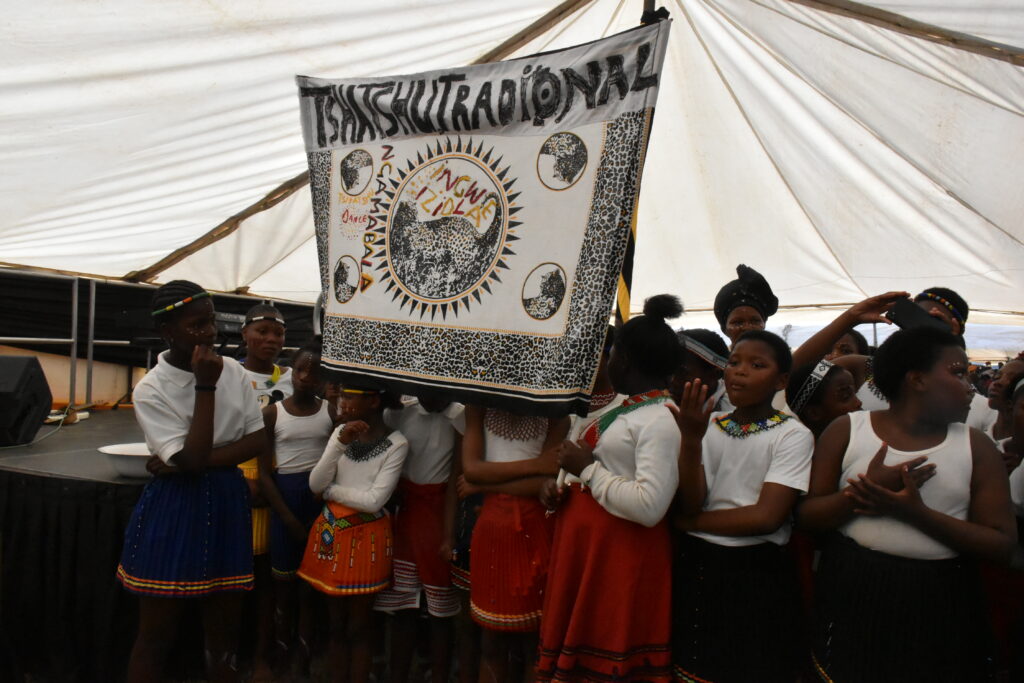
Tshatshu traditional dancers
It is easy for someone who does not have an idea of this area of the AmaNtinde to mistakenly think that this is a fairly new and irrelevant tribe. Although historically this not true, the tribe is one of the first to have crossed the Great Kei river to have settled in what was later known as the Ciskei, with other notable tribes like Gwali as well as the then newly formed Gqunukhwebe and others. It is said that the tribe came from around the Mzimvubu and Mbashe river before the divide and birth of Phalo’s sons Gcaleka and Rharhabe and settled as far west as Uitenhage. The current deputy minister of Cooperative Governance and Traditional Affairs Prince Zolile Burns Ncamashe reminded everyone that, the chieftainship of this tribe of Ntinde is a solid rooted and legit one having come from the ancestral lineage of under the house (right hand) of Togu. Ntinde is brother to Ngconde who is the father of Tshiwo, Tshiwo gave birth to Phalo, Phalo gave birth to Gcaleka (great house) and Rharhabe (right hand house).
Prince Burns Ncamashe, Deputy Minister of COGTA (Co-operative Givernance and Traditional Affairs)
Historically this nation has been known and associated with Chief Dyani Tshatshu also known as Jan Tzatzoe (1791 – 1868) who was one of the first generation converts and baptized around 1811 during the colonial era of missionaries in the Eastern Cape. He grew up under the missionary Nyengana (Johannes Van der Kemp) as he was known to the natives, later he went on to become a translator speaking fluently in Xhosa, Dutch, English to mention a few as well as a trade in carpentry. He then was appointed to cross the oceans to Europe (Britain) in 1836 alongside missionaries John Philips, James Read Snr and Read Jnr as well Andries Stoffels who was from the Khoi community. Some even believe that he had influence in the events that followed in the conversion of Ntsikane the prophet to Christianity, who wrote the famous church hymn ‘Olo Thixo mkhulu’. He also had a hand in establishing the Brownlee mission which later laid the foundation of the town of King Williamstown (Qonce). Chief Tshatshu was born to brother Soko and on the right-hand house was uMcebuka.
It is clear that the village of Tshatshu (and AmaNtinde as a whole) is indeed rich in heritage and history because during the times of Apartheid in the country, when the Homelands existed this area was known as the Ciskei Republic. It’s within the same village where the family and president of Ciskei Dr LL Sebe stayed even today the family is here. This is why the people of the tribe and village still feel strongly about the history and the ceremony of the current chief was just the thing they needed to bring them together once again. Some of the locals expressed their disappointment in the government who has not even tried to honor the kings and chiefs by naming our towns like Qonce and Bisho just like what the the president of the former Ciskie did by naming all the streets in Bisho (capital town of Ciskei). May the creator and the ancestors continue to work together and bring about change in the land of AmaNtinde, may they protect them until they can witness some of their wishes come to life.
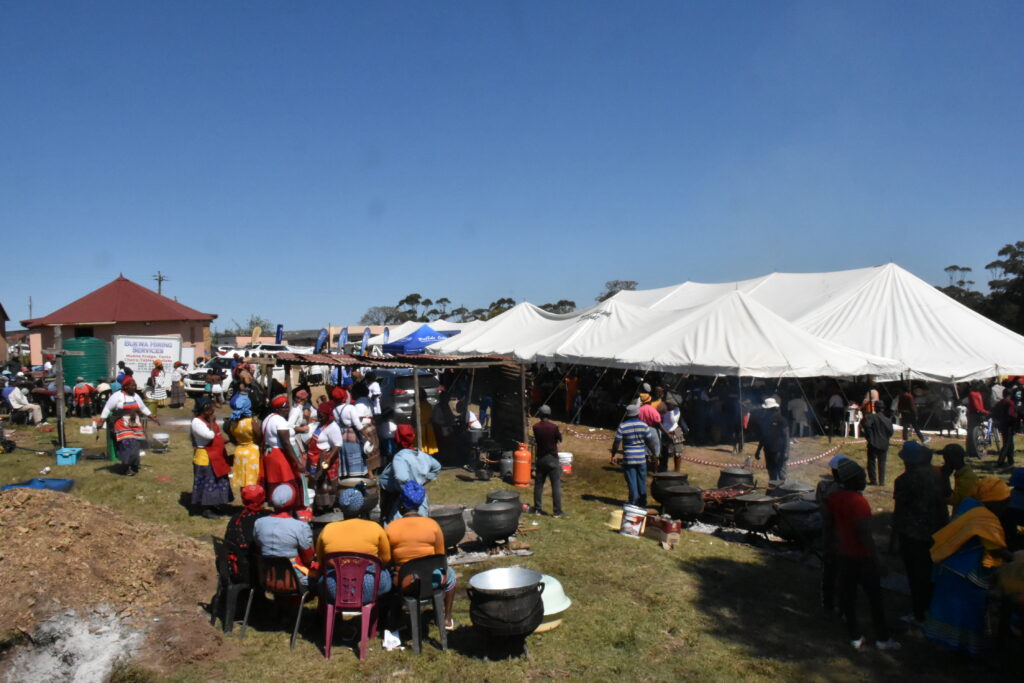
Scene at the Tshatshu Great Place
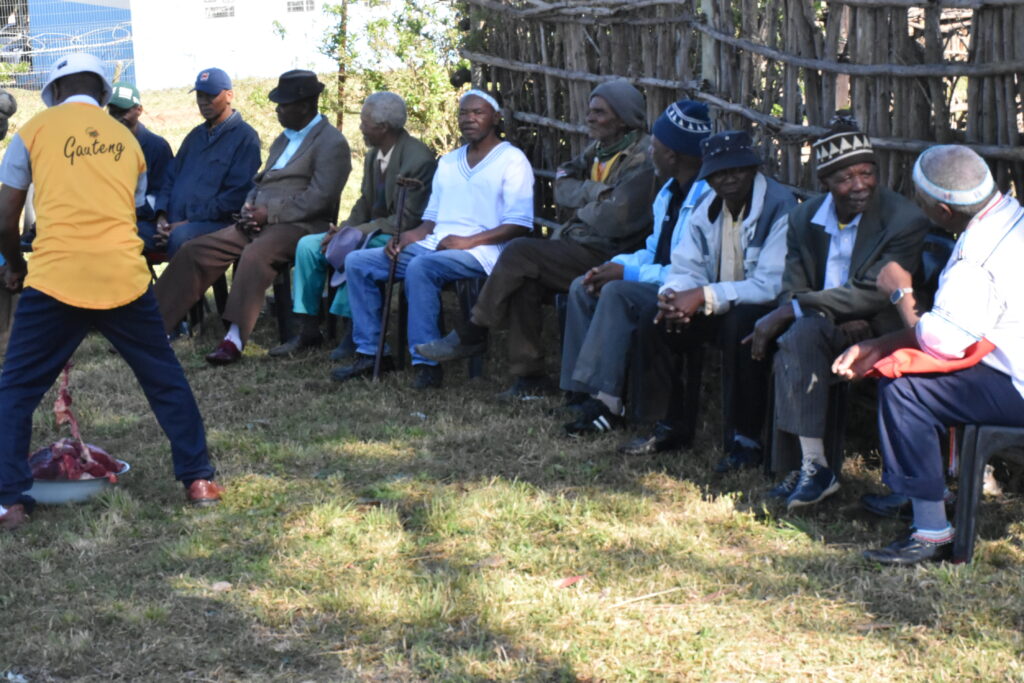
Elders seated at the kraal
Scene at Tshatshu great place
Here is the lineage of Chiefs of AmaNtinde as follows:
Ntinde, of Togu
Ngethani, of Ntinde
Bange, of Ngethani
Cika, of Bange
Tshatshu, of Cika
Dyani, of Tshatshu
Mthikrakra, of Dyani
Duku, of Mthikrakra
Ziwengu, of Duku
Mgcawezulu, of Nonqane
Zwelitsha, of Mgcawezulu
Phakamisa, of Zwelitsha
Zanendyebo, of Makhosonke (who passed before he could reign)